Column · @jaredklwf193
Caribbean Food in Denver: Top Restaurants for Island Cuisine
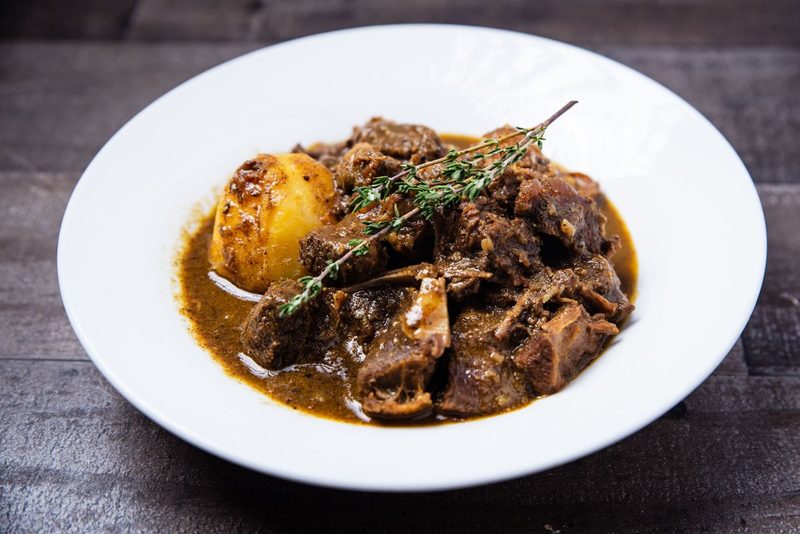
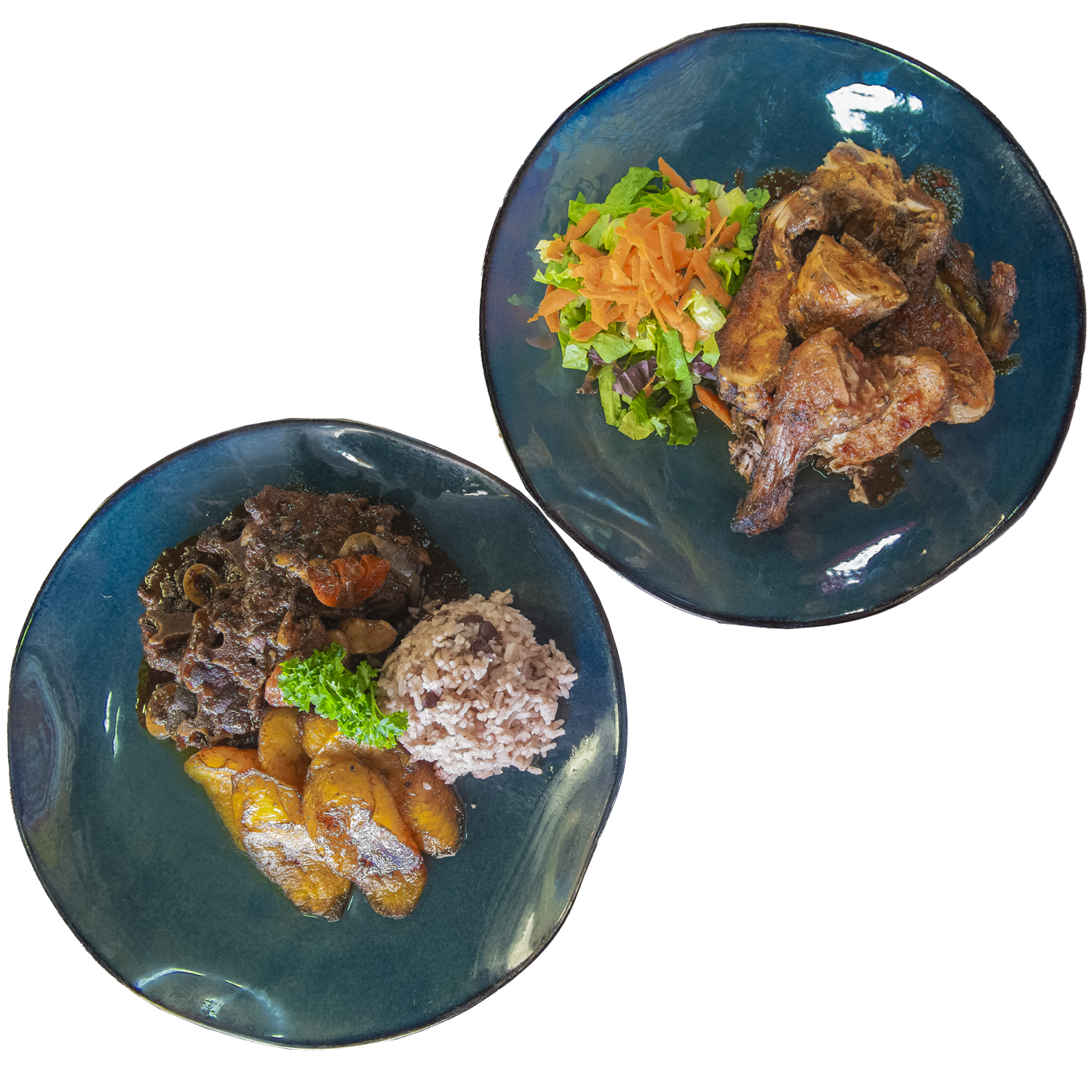
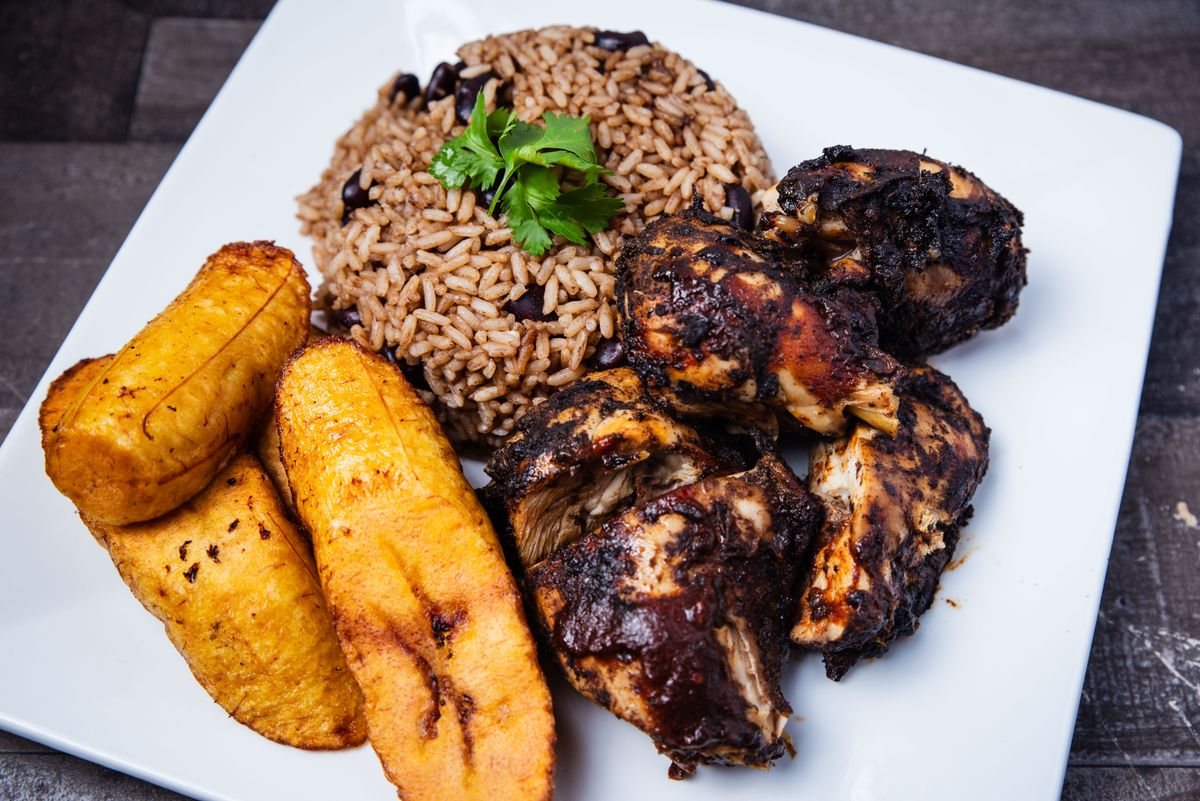
Denver is not the first city most people associate with Caribbean cooking, and that is part of what makes the search worthwhile. The best spots are rarely flashy. They tend to build loyal followings one plate at a time, usually through dishes that lean on technique, patience, and seasoning rather than gimmicks. A well-made curry goat, a proper jerk chicken plate, or a deeply savory oxtail can turn a casual dinner into the kind of meal you think about for weeks.
The city’s Caribbean scene is still smaller than what you might find in South caribbean food denver Florida, New York, or parts of New Jersey, but it is more interesting than many newcomers expect. In Denver, Caribbean food often shows up at the intersection of neighborhood dining, immigrant entrepreneurship, and comfort cooking. Menus may reflect Jamaica, Cuba, Puerto Rico, Trinidad, or the broader Afro-Caribbean tradition. Some restaurants stay tightly focused on one island. Others blend several influences, which can be a strength if the kitchen understands the fundamentals.
For anyone specifically looking for caribbean food denver, the real trick is knowing what each restaurant does best. Not every place excels across the whole menu. Some shine in braised meats. Some are all about grilled chicken and smoke. Others win you over with sides, pastries, or sauces that taste like someone in the back has been making them the same way for years.
What makes a Caribbean restaurant worth the trip
A strong Caribbean kitchen announces itself before the plate hits the table. You smell thyme, allspice, garlic, scallion, Scotch bonnet, curry, or slow-cooked stock in the room and sometimes from the sidewalk. The food should carry both depth and clarity. That matters because island cooking is often misunderstood as simply “spicy” or “heavy.” The best versions are more balanced than that.
Jerk, for example, is not just heat. Good jerk tastes layered. There is smoke, pimento, sweetness, char, and a little bitterness from the grill, all working together. Oxtail should be rich but not muddy. Rice and peas should taste like more than filler. Plantains need the right point of ripeness, sweet and caramelized without turning to mush. A curry can be bold and earthy while still allowing the protein to come through.
In Denver, altitude and sourcing can subtly affect the result. Long braises behave a little differently here. Frying can be inconsistent if a kitchen is careless. Seafood-heavy menus may be more limited than on the coasts. That is why it helps to judge each restaurant on execution, not on the fantasy of recreating a beachside meal exactly as it tastes in Kingston, San Juan, or Port of Spain. A restaurant does not need to imitate the islands perfectly to serve honest, memorable food.
Jamaican comfort and spice at Reggae Pot
Reggae Pot has become one of the names that comes up repeatedly when locals talk about Caribbean food in Denver, and for good reason. This is the kind of place people recommend with specific instructions, not vague praise. They will tell you what to order, when to go, and whether to save room for a patty.
The kitchen leans Jamaican, and that focus shows up in the food’s confidence. The jerk chicken is typically the benchmark order because it tells you a lot about the restaurant’s approach. When jerk is done right, the seasoning gets beyond the surface, the skin or exterior develops character, and the heat arrives gradually rather than in one blunt hit. At Reggae Pot, the appeal has often been that the chicken tastes cooked by people who respect the marinade and the grill, not by a kitchen treating jerk as a generic spicy glaze.
The braised dishes deserve equal attention. Oxtail is often where serious Caribbean restaurants separate themselves from casual imitators. It is expensive to make, time-intensive, and unforgiving if rushed. A strong version should have tender meat, glossy sauce, and enough ginger, garlic, and browning to feel complete over rice. Curry goat is another revealing order. When it is good, the meat pulls easily but still retains texture, and the curry carries warmth and funk without becoming chalky or flat.
Sides matter here. Rice and peas should not taste like plain rice wearing a costume. Cabbage can be easy to overlook, but at many Jamaican restaurants it is the balancing element that keeps the plate from feeling too heavy. Fried plantains, when available and fresh, add sweetness that helps tie together the spice and salt across the meal.
Reggae Pot is a good example of why diners should order with intention. If you go in wanting a broad pan-Caribbean sampler, you might miss the point. If you go in understanding that this is a place for Jamaican staples and comfort food, the experience makes more sense.
Cuba Cuba and the case for a broader island lens
Not every search for Caribbean food in Denver needs to end at jerk chicken. Cuban cuisine occupies a different part of the Caribbean conversation, one built around citrus, garlic, pork, beans, rice, plantains, and sandwiches that can be deceptively simple when done well. Cuba Cuba has long been one of Denver’s better-known names in this space, partly because it offers a lively, accessible entry point for diners who may be new to island cooking.
The atmosphere often plays a role in its appeal. Cuban restaurants can succeed by delivering a sense of warmth and ease that matches the food, and that emotional side of dining should not be underestimated. A pressed sandwich, black beans, roasted pork, and maduros can be deeply satisfying without relying on novelty.
The menu tends to suit mixed groups because there is enough range for both adventurous and cautious eaters. Someone can order a classic Cuban sandwich while another guest goes for ropa vieja or lechón. That flexibility matters in a city where Caribbean dining is often a group decision rather than a solo culinary mission.
From a critical standpoint, Cuban food asks for different benchmarks than Jamaican food. You are looking for tenderness in the pork, brightness in the mojo, clean seasoning in the beans, and restraint in the sandwich construction. Too much mustard or too little roast pork can throw off the whole balance. The best Cuban meals feel composed rather than overloaded.
Cuba Cuba is often where people start before they branch into more specialized Caribbean kitchens. That is not a criticism. Every dining scene needs gateway restaurants, especially in categories that many people did not grow up eating. If the meal sends someone looking for more island flavors around Denver, it has done something valuable.
Jamaican Grill and the value of smoke, char, and straightforward cooking
Some restaurants win you over because they understand one core thing exceptionally well. Jamaican Grill, as the name suggests, often centers that appeal around grilled meats and direct flavors. A place like this can be a gift on a cold Denver day, when what you want is not delicate plating but a hot plate with real heft.
Grilled Caribbean food succeeds when the fire is part of the seasoning. Smoke should not sit on top of the meat like a party trick. It needs to fuse with the marinade, so the exterior gets dark and complex while the inside stays juicy. Chicken is usually the reference point, but it is worth paying attention to whatever else the grill touches. Pork, sausages, or seafood, if offered, can reveal whether the kitchen treats grilling as a specialty or just a cooking method.
At restaurants of this type, timing matters. Go during a rush and you may get food that is freshest off the grill. Go at an off hour and the same item can lose some of its edge if it has been held too long. That is not unique to Caribbean restaurants, but the difference is more noticeable with charred meats and fried sides. Crispness and smoke fade quickly.
If you are trying to judge the place fairly, build your plate around the thing the restaurant clearly cares about most. Add a side of rice, cabbage, or plantains, maybe a drink if they offer one that complements the spices, and keep the first visit simple. Too many people order all over the menu and then complain that the experience felt uneven. Most neighborhood restaurants, regardless of cuisine, have a center of gravity. Respect it and you usually eat better.
Where Trinidadian and broader island influences stand out
Denver’s Caribbean scene can feel fragmented, partly because Caribbean cuisine itself is not one cuisine. Trinidadian food, for instance, brings different rhythms to the table, with roti, doubles, curries, tamarind, and Indo-Caribbean flavor structures that differ from a classic Jamaican plate lunch. Puerto Rican and Dominican cooking bring their own starches, braises, and seasoning habits. Even within one island, family recipes vary sharply.
That variety can make searching for caribbean food denver a little messy online. People type one phrase but may actually be looking for very different meals. One diner wants coco bread and patties. Another wants mofongo. Another wants a Cuban sandwich and sweet plantains. It helps to think less about the umbrella label and more about the exact dish you want.
When a restaurant offers a broader island menu, the question is whether the kitchen can hold quality across styles. That is harder than it sounds. Making respectable jerk, roti, and Cuban roast pork under one roof takes range. Sometimes it works beautifully because the staff brings lived experience from multiple traditions. Sometimes the menu reads like an ambitious travel brochure and the food ends up diluted. Menus with a wide regional spread deserve a little skepticism until the plate proves itself.
What I have seen in cities like Denver is that hybrid Caribbean menus often do best when the restaurant keeps a tight core of specialties and lets the rest of the offerings support rather than compete with them. A few excellent curries, one standout braise, properly fried plantains, and maybe a house sauce with real character can carry the meal more convincingly than twenty mediocre options.
What to order if it is your first time
If you are new to island cuisine, the smartest move is to start with dishes that reveal technique quickly. You do not need the biggest plate or the hottest thing on the menu. You need the items most likely to tell you whether the kitchen is serious.
- Jerk chicken, for smoke, spice balance, and marinade depth
- Oxtail, for patience, sauce quality, and braising skill
- Curry goat or curry chicken, for seasoning and texture
- Rice and peas, because a good side says a lot about the whole kitchen
- Plantains, which show attention to frying and ripeness
That short list is useful because it avoids the tourist trap of ordering whatever sounds “most Caribbean.” In practice, these are the dishes that expose weak kitchens fastest. Dry jerk, bland rice, or greasy plantains are hard to excuse.
The details that separate a memorable plate from an average one
Seasoning is the obvious factor, but texture is where many restaurants either win or lose. Caribbean food should feel generous, not sloppy. Sauces need body. Fried foods need timing. Stewed meats need to be soft without falling into mush. Beans need creaminess but not collapse. Plantains should taste ripe and sweet, not simply oily.
Heat management is another issue. Some diners expect every dish to be fiery, and some restaurants compensate by toning everything down for a broader market. The better approach is usually to build flavor first and offer extra heat on the side. Scotch bonnet, habanero, and pepper sauces should sharpen and deepen a dish, not flatten it.
Freshness can be surprisingly important in cuisines people often describe as “slow-cooked.” A braised oxtail may hold well, but garnishes, slaws, patties, fritters, and grilled proteins have narrower windows. You can often tell whether a restaurant is moving enough volume by how lively the side items taste. A stale patty crust or tired cabbage is a warning sign.
There is also the question of value. Caribbean plates can look expensive to diners unfamiliar with the labor involved, especially when ordering oxtail, goat, or seafood. But those proteins are costly, and the prep time is substantial. The better question is whether the portion, depth of flavor, and care justify the price. In many cases, they do.
A few smart ways to navigate Denver’s Caribbean spots
Not every restaurant visits the same quality level at every hour, and not every menu item travels equally well. If you are ordering takeout, grilled meats and patties usually survive the trip better than fried items that need to stay crisp. Braises and curries can travel well, but rice can dry out if packed too long. If you are dining in, ordering a combination of one grilled item and one braised item often gives the best sense of the kitchen’s range.
Here are a few practical habits that tend to improve the experience:
- Ask what the house specialty is that day
- Order at least one side beyond the default rice
- If heat matters to you, ask whether the spice is built in or served separately
- Visit at lunch if you want speed, dinner if you want the menu at full strength
- For a first visit, avoid over-ordering across too many island styles
These are small decisions, but they matter. The difference between a decent meal and a great one is often less about the restaurant and more about whether you ordered with a little context.
Why Denver’s Caribbean dining scene deserves attention
Part of the appeal lies in scarcity. In cities with huge Caribbean populations, it is easy to take the cuisine for granted. In Denver, each strong caribbean food denver restaurant carries more weight. These businesses often serve multiple audiences at once: homesick regulars looking for familiar flavors, curious locals, transplanted East Coasters comparing every bite to what they grew up with, and travelers who stumbled in because they wanted something different from the city’s usual lineup of burgers, tacos, and breweries.
That creates pressure, but it also creates identity. A restaurant that builds a following here usually does so because the food can hold up across expectations. People return for flavor, yes, but also for consistency, hospitality, and the sense that the kitchen is cooking from somewhere real.
There is another reason the category matters. Caribbean food offers one of the clearest examples of how migration shapes a city’s palate. Each menu tells a story about movement, adaptation, memory, and business survival. You can taste African, Spanish, Indigenous, Indian, Chinese, and colonial influences across the region. That complexity is part of what makes island cuisine so satisfying to explore. It is comfort food with history in it.
The best approach to finding your favorite
The easiest mistake is chasing a single definitive “best” Caribbean restaurant in Denver. That usually leads to disappointment, because the answer depends on what you want. If your ideal meal is a peppery jerk plate with cabbage and rice, you may end up loyal to one place. If you care most about Cuban sandwiches, roast pork, and black beans, your answer will be different. If you are looking for curries or roti, the search changes again.
A better approach is to build your own short rotation. Find one place for jerk, one for braises, one for Cuban classics, maybe one for pastries or quick lunches. That reflects how people actually eat in cities with maturing food scenes. They do not crown a single winner and stop. They learn the strengths of each kitchen and return accordingly.
Denver is not pretending to be Kingston, Havana, or Port of Spain. It does not need to. What it does offer is a growing set of restaurants that bring island flavors to the Front Range with conviction. For diners willing to order thoughtfully and pay attention, the rewards are substantial: smoke, spice, sweetness, slow-cooked richness, bright herbs, and some of the most comforting plates in the city.
For anyone searching caribbean food denver, that is the real takeaway. The scene may be selective rather than sprawling, but the restaurants that get it right can satisfy a serious craving. And when you find the right plate, whether it is jerk chicken with proper char, oxtail that collapses into glossy gravy, or a pressed Cuban sandwich with real balance, Denver suddenly feels a lot closer to the islands than the map would suggest.
Reggae Pot Jamaican Grill
2243 S Monaco St Pkwy, Suite 104
Denver, CO 80222
(720) 410-2956
FAQ About caribbean food denver
What is a typical Caribbean meal?
Caribbean cuisines vary by island. A Jamaican meal might pair jerk chicken or oxtail with sides such as rice and peas, cabbage, or fried plantains.
What is Jamaica’s national dish?
Ackee and saltfish is widely recognized as Jamaica’s national dish. Check the current menu for availability.
Is Caribbean jerk the same as Jamaican jerk?
Jerk is a Jamaican cooking tradition associated with seasoning and slow cooking or grilling. The exact heat level and preparation vary by cook.